
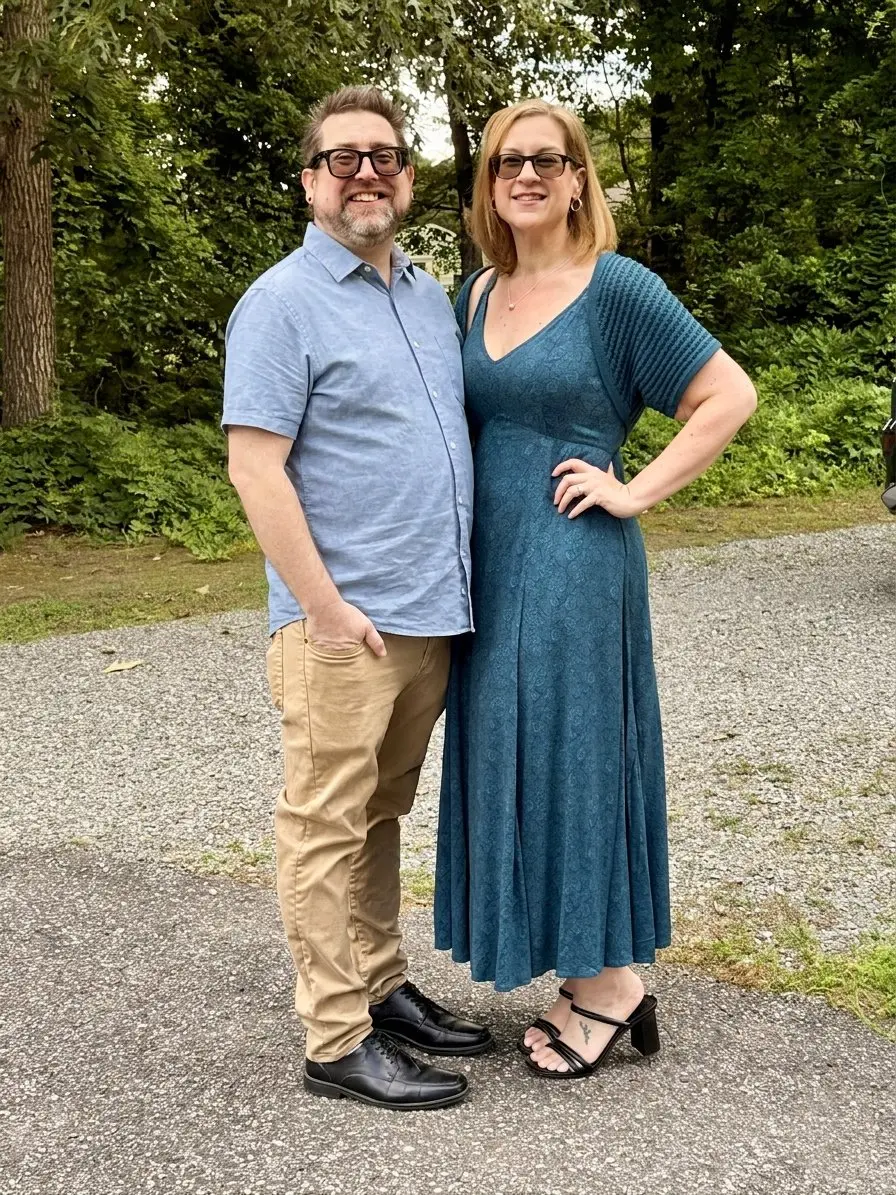
We built it for our own table first.
When Nick was diagnosed, "eat better" stopped being advice and became math — done every evening, while tired, in front of an open fridge. When Jen set out to lose the weight, she learned the thing nobody tells you: losing it is the hard part, and keeping it off is the forever part. Both of those depend on the exact same thing — having the right food, already in the house, on a night you don't feel like deciding.
So we got good at it. We built a small library of meals we trusted completely, the ones that kept Nick's numbers steady and kept Jen free. Nick learned to cook them better than any restaurant could. The trouble was everything around the cooking: picking the week, writing the list, remembering which store carried our safe brands, and not forgetting the lemons until we were already in the checkout line.
"We weren't looking for new recipes. We were looking for a way to keep cooking the ones that were keeping us healthy."
Every tool we tried got it backwards. Recipe apps pushed an endless feed of strangers' food we couldn't eat. Meal kits shipped their ingredients at $14 a serving. Notes-app lists sent us zig-zagging across three stores. None of them protected the one thing that actually worked: our short list of trusted meals, planned and shopped before the week could fall apart.
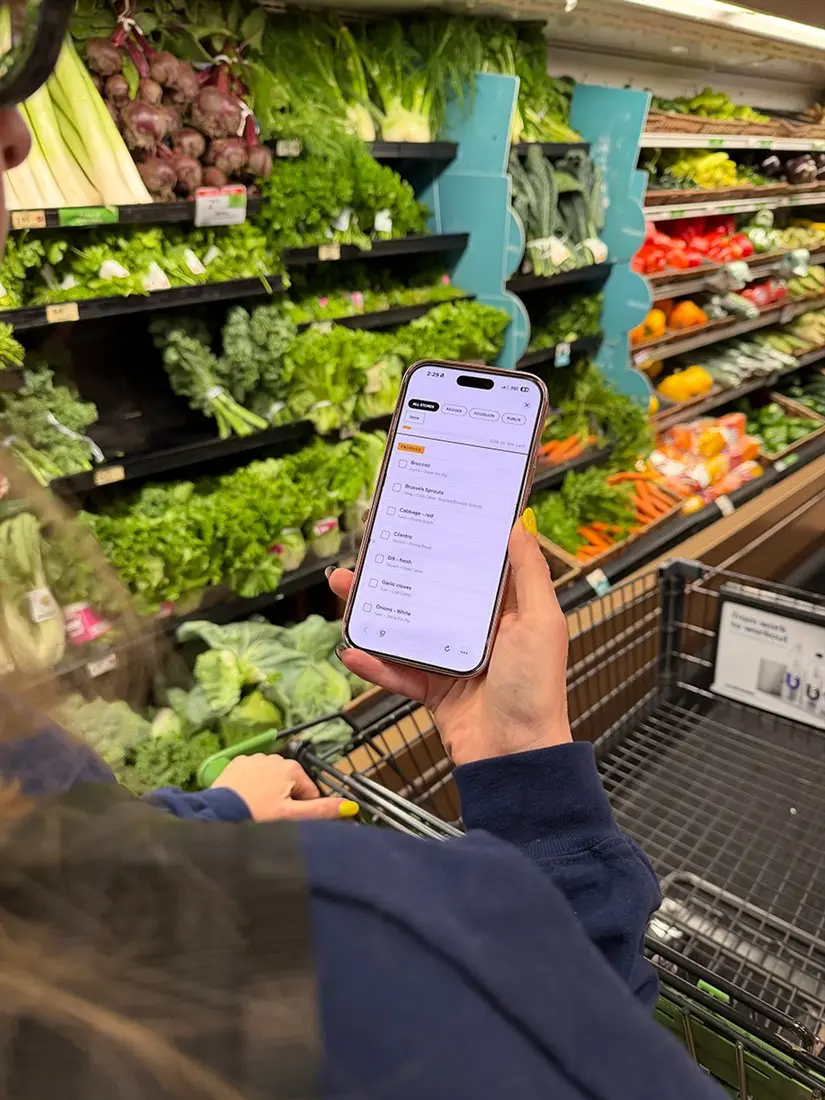
So Nick built a little tool — just for the two of us. A place for our recipes, a five-minute weekly plan, and a grocery list that came out sorted by aisle and split across the stores we actually shop. Then a friend wanted it. Then we looked up and realized the thing we'd quietly built at our kitchen table was the thing a whole lot of other people were missing too.
That's the whole story. We made the planner we couldn't find — and we still use it every week.
— Nick & Jen